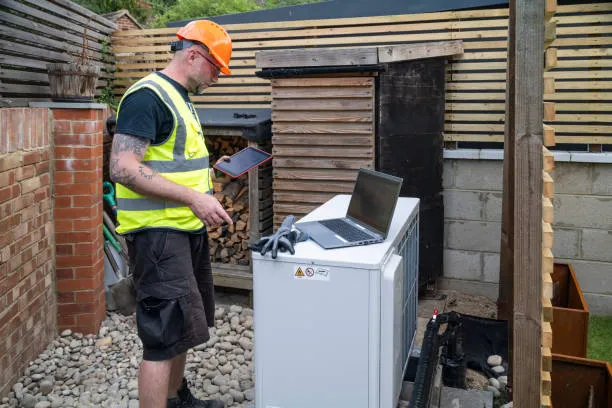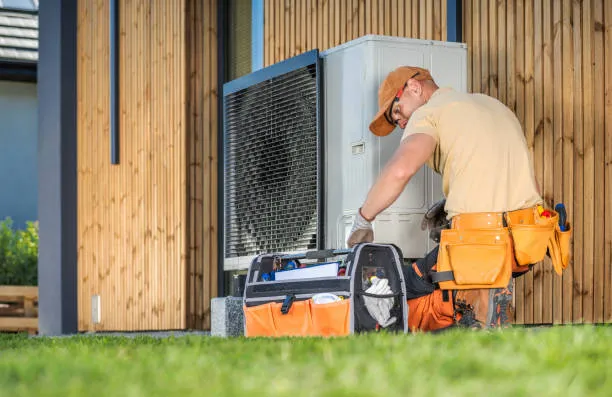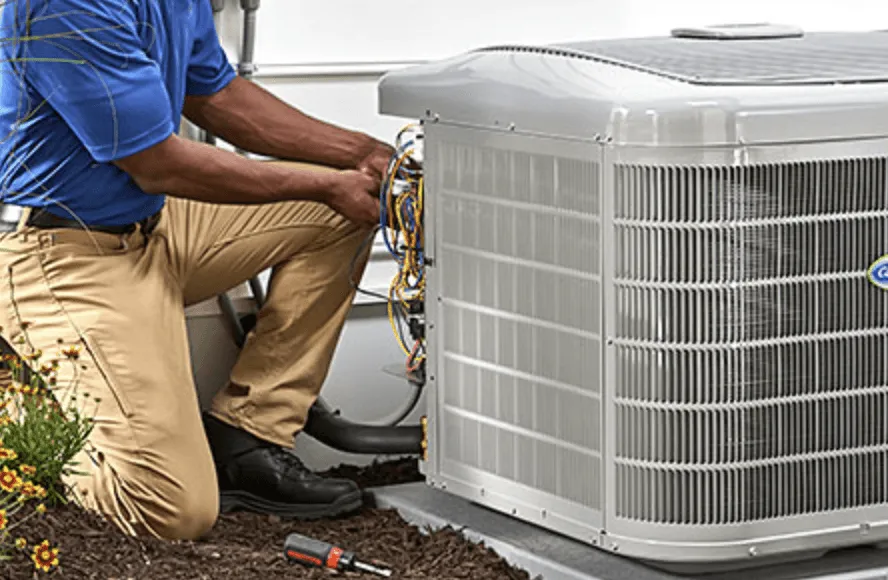
If your central air conditioner is blowing warm air, turn it off first — running the system while it isn’t cooling can strain the compressor, the single most expensive part to replace. Then work through the fixes below, easiest first. An Aurora homeowner can safely check the thermostat, the air filter, and the breaker to the outdoor unit. If cool air still doesn’t come back, the cause is usually low refrigerant (which means a leak), a frozen coil, or a failing compressor — and those need a licensed technician. Here’s how to tell the difference, and exactly when to stop and call for help.
There are few worse feelings on a 90-degree Fox Valley afternoon than standing under a vent that’s pushing out room-temperature air. The good news: about half the time, warm air comes from something simple you can fix yourself in a few minutes. The other half needs a pro — and this guide tells you which is which, so you don’t waste an afternoon or damage your system.
First, Turn It Off — Here’s Why
Before you troubleshoot anything, switch the system off at the thermostat.
When an AC blows warm air, it usually means the outdoor compressor isn’t moving heat the way it should. If the cause is low refrigerant or an electrical fault, letting the system keep running can overheat and damage the compressor — a repair that often costs more than the rest of the unit combined. A few minutes off won’t hurt your comfort; a burned-out compressor will hurt your wallet.
So: thermostat to Off, then start at fix #1.
7 Fixes for AC Blowing Warm Air (Easiest First)
1. Check the Thermostat
It sounds obvious, but this is the most common “fix” of all. Confirm three things:
- The mode is set to Cool, not “Heat” or “Fan.”
- The fan is on Auto, not On. (Set to “On,” the fan blows air constantly — including warm air — even when the system isn’t actively cooling. This alone fools a lot of homeowners.)
- The set temperature is actually below the current room temperature.
If your thermostat runs on batteries, replace them. A dying thermostat battery can cause erratic behavior that looks exactly like a system fault.
2. Replace the Air Filter
A clogged filter is behind a surprising share of warm-air calls. When the filter is packed with dust and pet hair, airflow across the indoor coil drops. The coil can’t absorb heat properly — and in bad cases it freezes over, which shuts cooling down entirely (more on that in fix #5).
Pull the filter. If you can’t see light through it, replace it. In the dusty, pollen-heavy Fox Valley cooling season, checking the filter every month during heavy use is cheap insurance.
3. Check the Breaker and Outdoor Unit Power
Your AC has two parts: the indoor air handler and the outdoor condenser. They’re often on separate breakers. If the indoor blower has power (you feel air moving) but the outdoor unit is dead, the fan is just circulating uncooled air.
Walk to your electrical panel and look for a tripped breaker — usually one sitting between “on” and “off.” Flip it fully off, then on. Also check for a shut-off switch near the outdoor unit itself. If the breaker trips again immediately, stop — that’s an electrical fault for a technician, not something to keep resetting.
4. Clear the Outdoor Condenser Unit
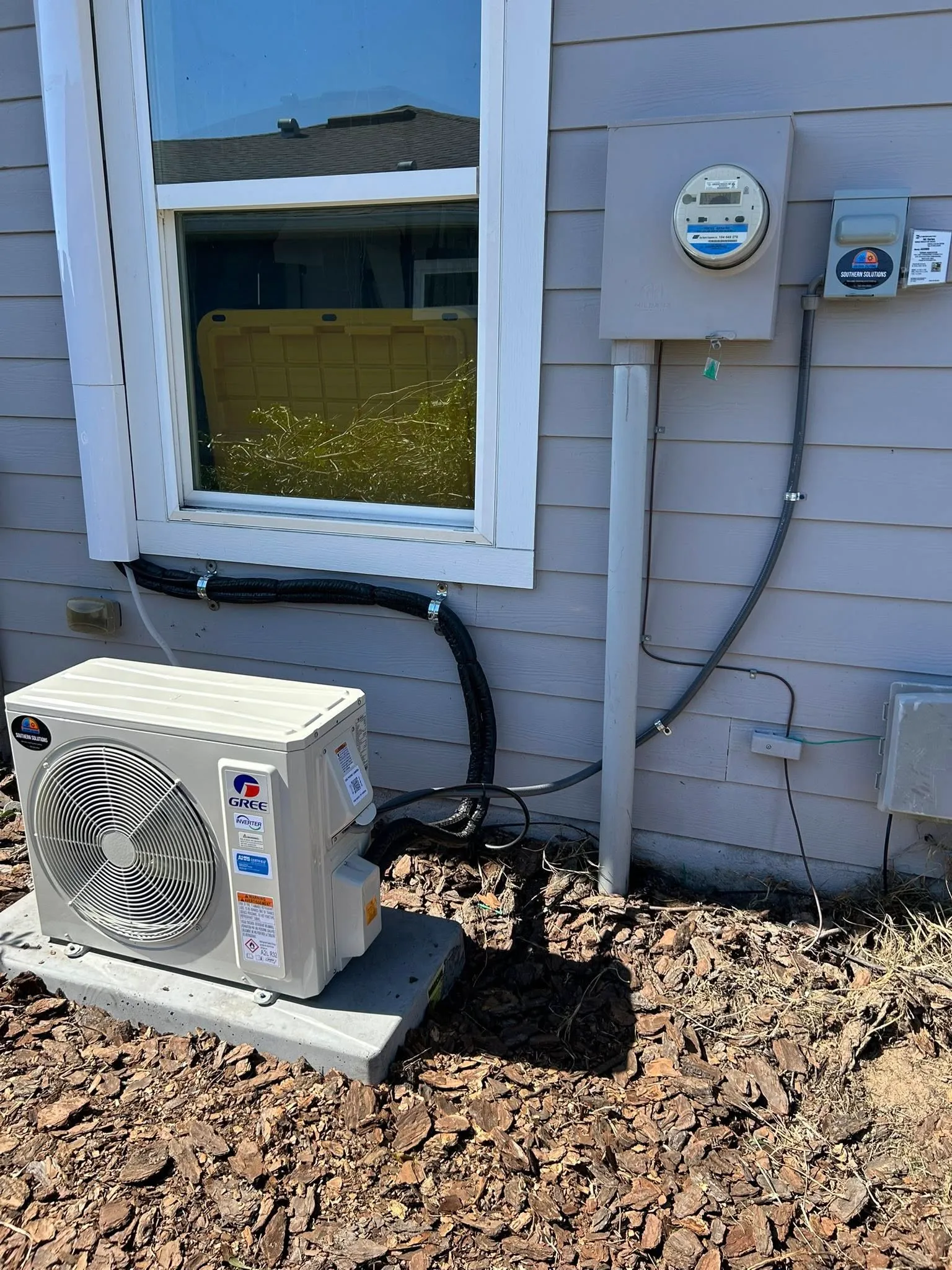
That outdoor box needs airflow to dump your home’s heat outside. Grass clippings, cottonwood fluff, leaves, and dryer lint pile up in the fins and choke it.
With the power off (fix #3), clear away any debris and trim back plants within about two feet of the unit. Gently hose the fins from the inside out if they look dirty — never with a pressure washer, which bends them. A smothered condenser is a classic Aurora-summer cause of weak or warm cooling.
5. Thaw a Frozen Evaporator Coil
If you spot ice on the copper lines or the indoor unit, your evaporator coil has frozen — and a frozen coil can’t cool air, so warm air comes out the vents.
The fix is patience: turn the AC off and set the thermostat fan to On to blow room air across the coil and melt the ice. This can take a few hours. Once it’s fully thawed, replace the filter and restart. If it freezes again quickly, the underlying cause is usually restricted airflow or low refrigerant — which brings us to the fixes that aren’t DIY.
6. Clear the Condensate Drain
As your AC cools, it pulls humidity out of the air — a big job during a muggy Fox Valley summer — and drains that water away. If the condensate line clogs, many systems have a float switch that shuts cooling off as a safety, leaving the fan blowing warm air.
Find the drain line (a PVC pipe near the indoor unit) and look for a full drain pan or standing water. Clearing a clog is sometimes a DIY job with a wet/dry vacuum, but if you’re not sure, this is a fine point to call a pro.
7. Low Refrigerant or a Failing Compressor — Call a Pro
If you’ve worked through fixes 1–6 and your AC is still blowing warm, the cause is almost certainly one of these — and none is a DIY fix:
- Low refrigerant. Here’s the honest truth most articles skip: refrigerant is not “used up” like gas in a car. Your system is a sealed loop. If it’s low, there’s a leak. Simply “topping it off” without finding and fixing the leak is a temporary patch that fails again — and handling refrigerant legally requires EPA Section 608 certification. A proper repair means locating the leak, fixing it, and recharging to the manufacturer’s spec.
- A failing compressor. The compressor is the heart of the system. When it goes, cooling stops. On an aging unit, this is often the moment to weigh repair against replacement.
- Electrical or capacitor faults. A dead capacitor can stop the compressor or outdoor fan without any obvious symptom.
At this point, running the system does more harm than good. Shut it off and schedule professional AC repair in Aurora.
When Warm Air Is an Emergency in Aurora
Most warm-air situations can wait a day. But treat it as urgent if:
- It’s a genuine heat wave and you have infants, elderly residents, or anyone with health conditions in the home.
- You smell burning, hear grinding or buzzing from the unit, or a breaker keeps tripping.
- There’s water pooling around the indoor unit or ice you can’t thaw.
In those cases, don’t keep resetting the system — turn it off and call. For a system that’s stopped cooling entirely, our guide on what to do when your AC stops working in the middle of summer walks through the next steps.
The Fox Valley Twist Most Guides Miss
Warm air isn’t always a broken part — sometimes it’s a system that simply can’t keep up. On the most humid Aurora afternoons, an air conditioner that’s slightly low on charge or fighting a dirty coil falls behind, and the air feels lukewarm even though the system is “working.”
There’s also a sizing angle worth knowing. In the newer subdivisions toward Naperville, Oswego, and Plainfield, builder-grade units are frequently oversized: they cool in short bursts, shut off, and can leave the house feeling warm and clammy between cycles. In older Aurora homes, weak or leaky ductwork means some rooms never get the cool air the system is actually producing. If your “warm air” is really an uneven or never-quite-cool home, the fix is diagnosis, not a part swap.
Frequently Asked Questions
Should I turn off the AC if it’s blowing warm air?
Yes. Running an AC that isn’t cooling can strain and overheat the compressor — the most expensive component to replace — especially if the cause is low refrigerant. Turn it off, work through the simple checks (thermostat, filter, breaker), and call a technician if cool air doesn’t return.
Why is my AC running but not cooling?
The system is moving air but not removing heat. Common reasons: a thermostat set to “fan on,” a clogged filter, a tripped outdoor breaker, a frozen coil, a blocked condensate drain, or low refrigerant. Work through them easiest-first; the last one needs a pro.
Is AC blowing warm air an emergency?
Usually not — most causes can wait a day for service. It becomes urgent during a heat wave if vulnerable people are home, or if you notice burning smells, strange noises, a repeatedly tripping breaker, or water or ice around the unit. In those cases, shut it off and call.
How do I tell if my AC is low on refrigerant?
Signs include ice on the refrigerant lines or indoor coil, a hissing or bubbling sound, longer run times, and warm air despite everything else checking out. You can’t measure or add refrigerant yourself — it requires gauges and EPA-608 certification. Low refrigerant always means a leak that needs to be found and repaired, not just topped off.
How do I reset an AC that’s not blowing cold?
Turn the thermostat off, then switch the AC off at the breaker for about a minute and back on. Wait a few minutes before it restarts (many systems delay to protect the compressor). If a reset doesn’t restore cooling, don’t keep cycling it — that’s a sign of a real fault.
Get Your AC Cooling Again in Aurora
If you’ve worked through these fixes and your home still won’t cool, it’s time for a proper diagnosis. HVAC Repair Aurora is a cooling-focused, NATE-certified team serving Aurora, IL and the Fox Valley since 2010 — we find the real cause, quote it in writing before any work, and get you comfortable again. Call or learn more about our AC repair and services.