An air conditioner rarely stops working without giving a few warning signs first. In many homes, small AC problems slowly turn into bigger and more expensive repairs because they are ignored for too long. Spotting issues early can help you stay comfortable, reduce energy waste, and avoid a complete system failure.
One of the most common warning signs is weak airflow. If your vents are barely pushing out air, there may be a problem with the blower motor, ductwork, or a clogged filter. Another common sign is warm air coming from the vents even when the thermostat is set correctly. This could point to low refrigerant, compressor trouble, or an electrical issue.
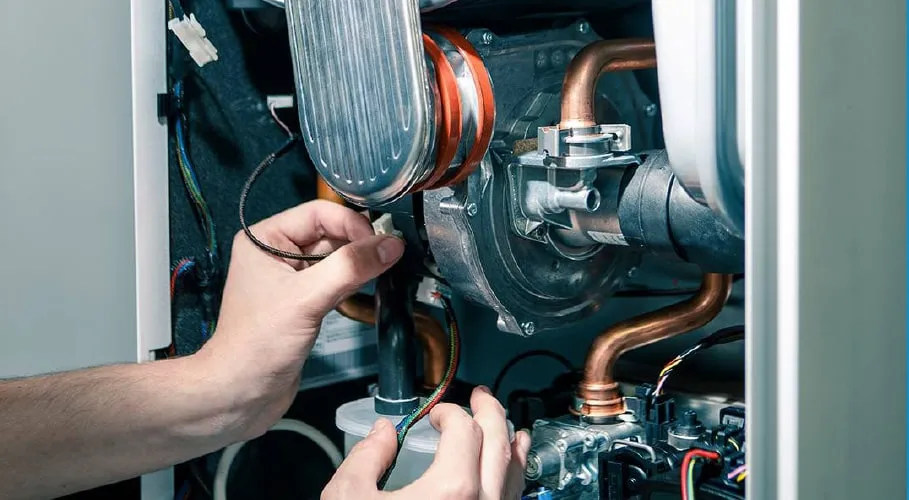
You should also pay attention to strange noises. Banging, grinding, rattling, or squealing sounds usually mean that a part inside the system is loose or wearing out. AC units are supposed to run with a fairly smooth sound, so unusual noise should never be ignored.
Bad smells are another red flag. A musty smell can indicate mold or moisture buildup, while a burning smell may suggest an electrical issue. Both should be checked quickly by a professional. Likewise, frequent cycling, where the system turns on and off too often, may signal thermostat problems, clogged components, or poor system sizing.
Higher-than-normal energy bills can also be a sign your AC is struggling. When a system works harder than it should, it uses more power to deliver less comfort. If your utility bill rises without any big change in usage, your cooling system may need attention.
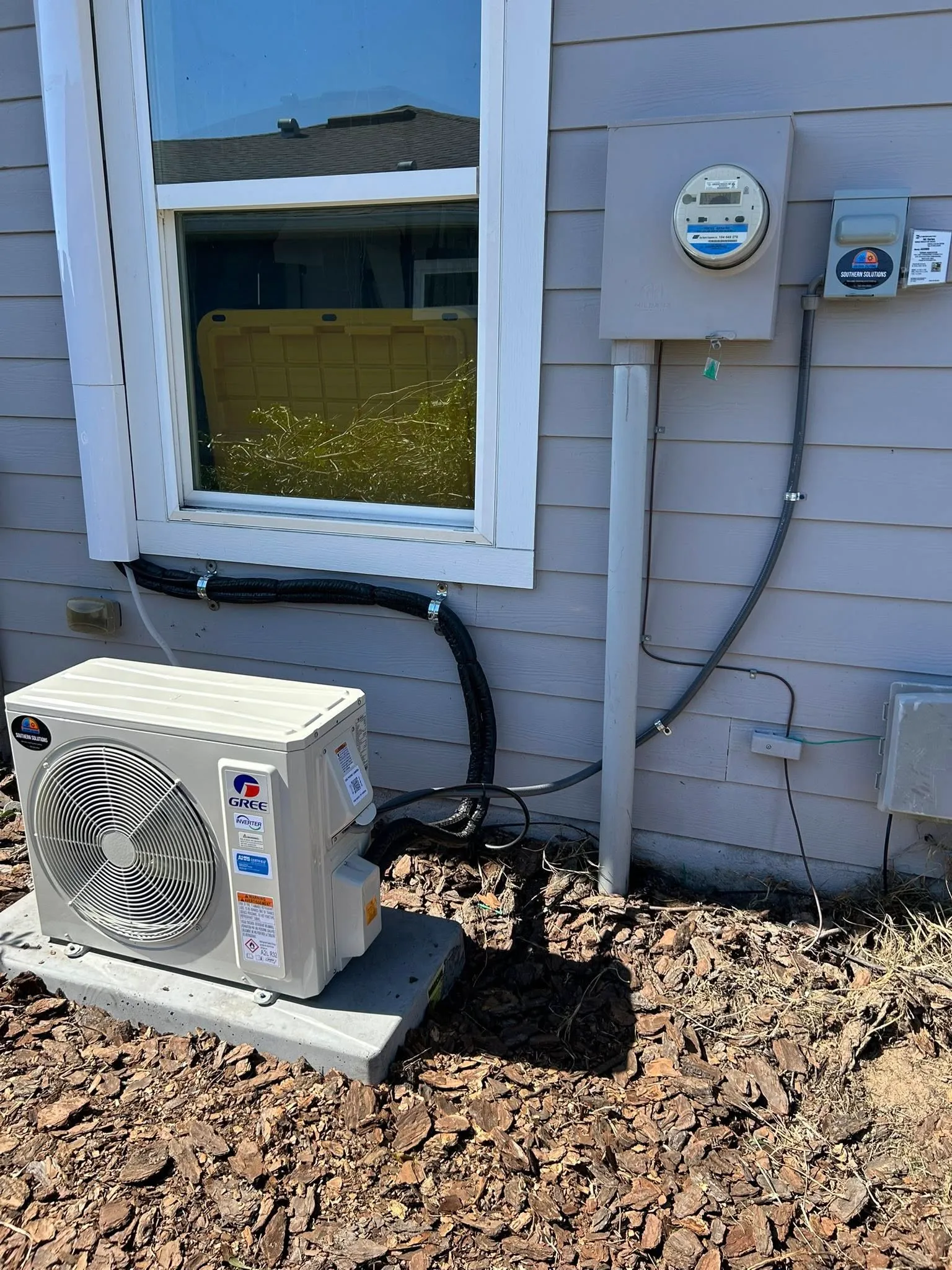
Another warning sign is moisture or leakage around the unit. Water pooling near the indoor or outdoor unit may be caused by a clogged drain line or frozen coil. Refrigerant leaks are even more serious and should always be handled by a trained technician.
The best time to fix AC problems is before they become emergencies. Early repair usually costs less than waiting for a full breakdown. It also helps protect other parts of the system from extra strain.
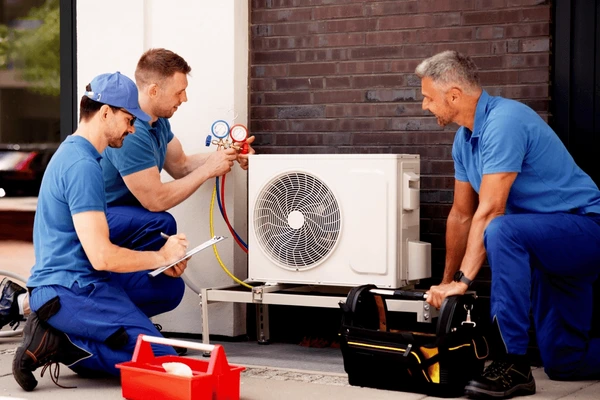
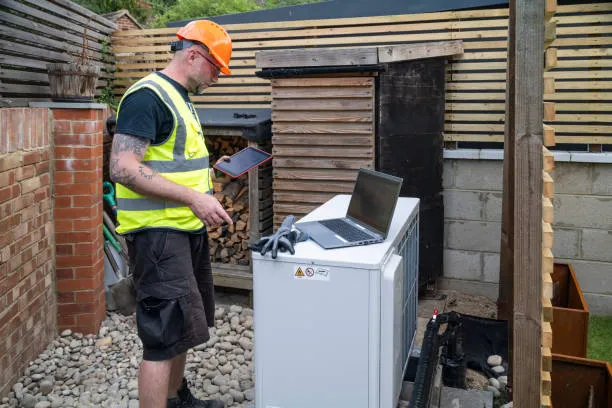
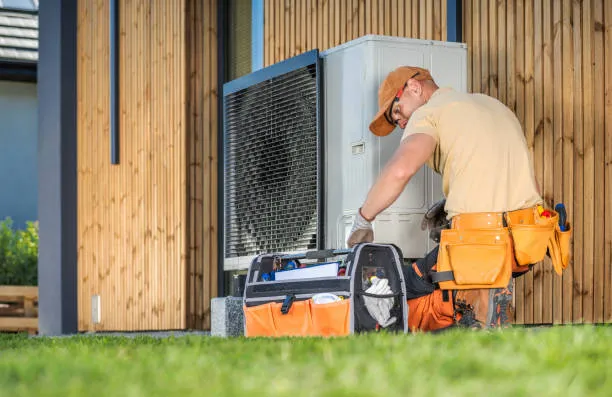
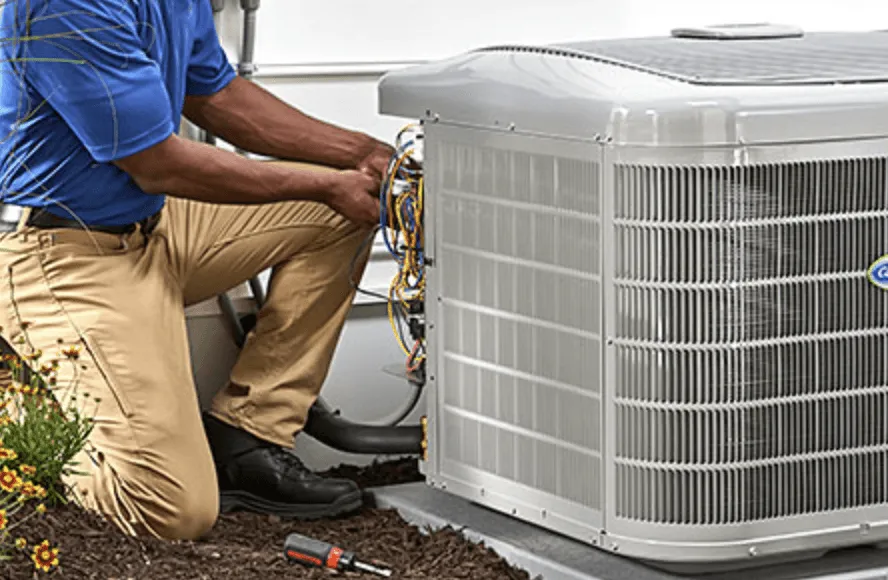
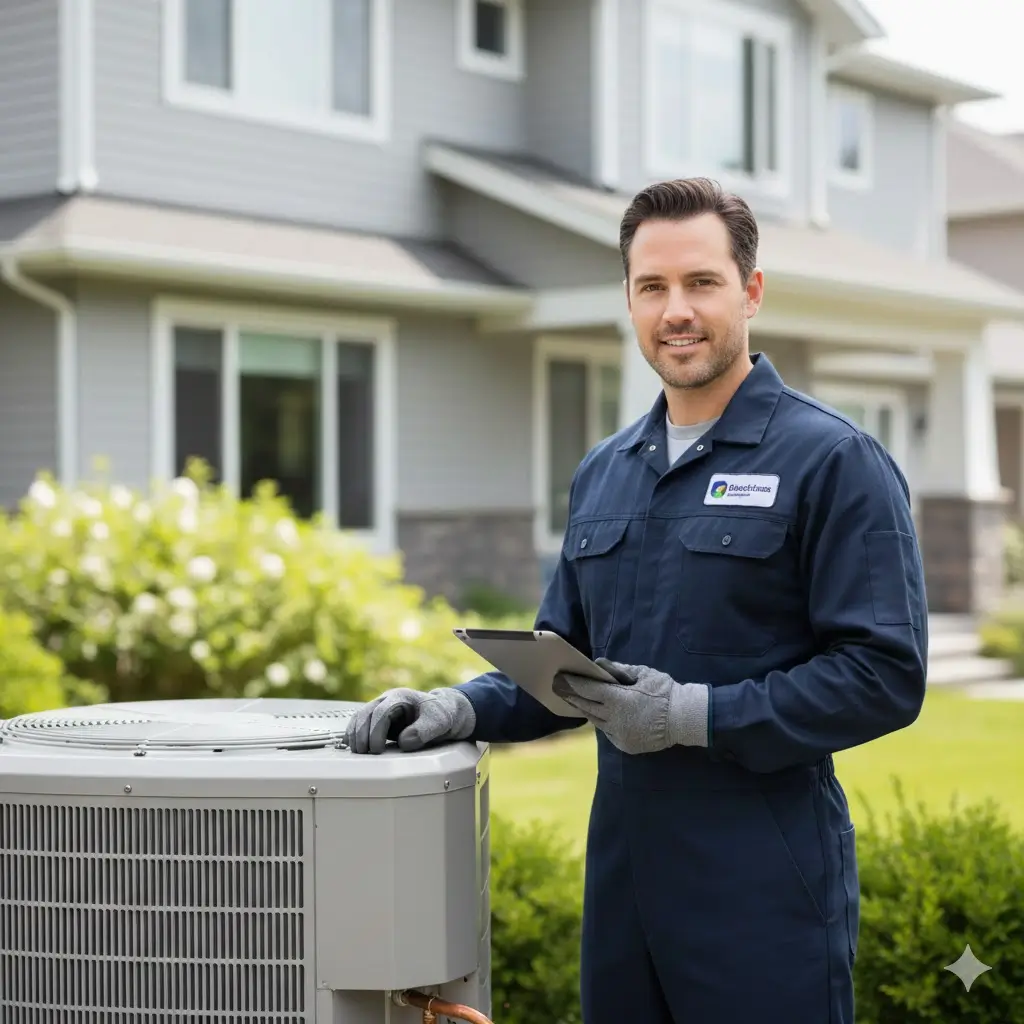
If your air conditioner is showing any of these signs, scheduling a professional inspection is the safest next step. A trained HVAC technician can diagnose the issue, explain the problem clearly, and recommend the right repair before the damage gets worse.